Common Causes of Slow Drains in Homes
Slow drains are a common frustration for homeowners in Encinitas, disrupting daily routines and creating potential plumbing hazards. While a sluggish sink or bathtub may seem like a minor inconvenience, it often signals underlying issues in the plumbing system that, if left unaddressed, can escalate into costly repairs. Homeowners may notice water pooling in sinks, slow-moving showers, or gurgling sounds from drains—each a sign that something is impeding the smooth flow of water. Beyond the immediate inconvenience, slow drains can contribute to unpleasant odors, unsanitary conditions, and even structural water damage if backups occur. Addressing these problems early not only preserves the plumbing system but also safeguards the health and comfort of everyone in the household.
In residential plumbing, slow drains typically result from accumulated debris, pipe corrosion, or improper installation. Each cause requires a different approach for resolution, making accurate diagnosis essential. For homeowners in Encinitas, a city with older neighborhoods as well as newer developments, knowing how to identify and address these issues can save both time and money. Awareness of these potential problems also empowers residents to implement preventive measures, such as routine cleaning and inspections, to avoid long-term complications. By examining common culprits such as hair, grease, mineral buildup, and tree root intrusions, residents can take proactive measures to maintain their plumbing system and ensure consistent water flow throughout their homes, ultimately increasing the longevity and efficiency of their pipes.
1. Hair and Soap Buildup
How Hair Affects Drains
Hair is one of the most frequent causes of slow drains, particularly in bathroom sinks, showers, and tubs. As hair accumulates in the drain, it binds with soap residue and other debris, forming clumps that restrict water flow. Over time, these clumps can create partial or complete blockages, causing water to drain slowly or back up. In homes with multiple occupants, the volume of hair buildup can be significant, leading to recurring slow-drain issues.
Soap Scum and Its Role
Soap residue, often referred to as soap scum, is another contributor to slow drains. Soap combines with minerals in water—especially in areas with hard water—to form a sticky, white film. This film adheres to the walls of pipes, gradually narrowing the passageway for water. When hair and soap scum combine, they create dense blockages that can be difficult to remove without professional tools or chemical treatments.
Prevention and Maintenance
To prevent hair and soap buildup, homeowners should install drain guards or screens to catch loose hair before it enters the plumbing system. Regularly cleaning drains with a mixture of hot water and baking soda, or using enzyme-based cleaners, can also help break down deposits before they become problematic. Professional inspections every few years can ensure that hidden buildup does not go unnoticed, preserving optimal drainage efficiency.
2. Grease and Food Debris in Kitchen Drains
How Grease Accumulation Occurs
Kitchen sinks are particularly vulnerable to slow drains due to grease and food debris. When cooking oils, fats, or leftover food are poured down the drain, they can solidify along the interior of pipes. Over time, these deposits accumulate and constrict water flow, leading to slow or clogged drains. Even seemingly small amounts of grease can cause significant blockages, especially in older homes with narrow pipes.
Impact of Food Particles
Food particles, particularly fibrous materials like vegetable peels, coffee grounds, and rice, can contribute to kitchen drain slowdowns. Unlike soap scum, these particles can attract other debris, compounding the blockage. Combined with grease, these materials form dense masses that may eventually require mechanical removal.
Best Practices for Kitchen Drain Care
Preventing grease-related slow drains requires behavioral adjustments. Avoid pouring fats or oils down the sink, and use strainers to catch food particles. Periodic hot water flushing helps dissolve minor grease deposits before they harden. For stubborn grease buildup, a licensed plumber can use specialized tools to remove deposits efficiently without damaging pipes.
3. Mineral and Hard Water Deposits
Understanding Hard Water
Encinitas homes with high mineral content in their water supply often face slow drains caused by scale buildup. Hard water contains calcium, magnesium, and other minerals that, over time, adhere to the interior of pipes. This process narrows the pipe diameter and impedes water flow, affecting sinks, showers, and even appliances like dishwashers and washing machines.
Scale Formation and Consequences
Mineral deposits, commonly known as limescale, are difficult to remove once established. They create rough surfaces inside the pipes, which trap hair, soap, and grease, exacerbating slow-drain issues. Additionally, scale buildup can weaken pipes, leading to corrosion, leaks, or pipe bursts in severe cases.
Mitigation Techniques
Homeowners can manage mineral deposits by installing water softeners or filtration systems, which reduce the accumulation of calcium and magnesium in plumbing systems. Regular descaling treatments using vinegar solutions or commercial descalers can help maintain smooth water flow. Professional plumbing services may also employ hydro-jetting to remove severe mineral buildup without damaging the piping infrastructure.
4. Tree Roots and External Intrusions
How Roots Affect Drains
In many older Encinitas neighborhoods, tree roots are a frequent cause of slow drains. Roots naturally seek out moisture and can penetrate sewer lines through small cracks or joints. Once inside the pipe, roots expand, creating partial or complete blockages that significantly impede drainage. Homeowners may notice slow-draining toilets, gurgling sounds, or backups in multiple fixtures simultaneously, indicating a mainline issue.
Identifying Root Intrusions
Signs of root intrusion include persistent slow drains, foul odors from the sewer, or wet spots in the yard above underground pipes. Early detection is crucial, as root infiltration can eventually cause pipe collapse, leading to extensive repairs. CCTV drain inspections are a reliable method for identifying the exact location and extent of root intrusion.
Preventative Measures and Solutions
Preventing root-related blockages involves routine maintenance and proactive inspections. Trimming trees away from sewer lines can reduce the risk, though older pipes may still be vulnerable. When roots penetrate pipes, hydro-jetting or mechanical augers can remove them, while pipe relining or replacement may be necessary for severe damage.
5. Improper Pipe Installation or Aging Plumbing
Installation Issues Leading to Slow Drains
Incorrectly installed pipes can result in persistent slow drains. Common installation errors include improper pipe slope, incorrect joint fittings, or use of substandard materials. These mistakes hinder proper water flow and increase the likelihood of debris accumulation. Homes constructed or renovated without adherence to plumbing codes may experience recurring slow-drain problems due to these errors.
The Effect of Aging Pipes
Over time, even well-installed pipes can deteriorate. Older pipes may develop corrosion, rust, or sediment buildup, which reduces internal diameter and slows water movement. Cast iron, galvanized steel, and copper pipes are all susceptible to wear, with certain materials being more prone to rust or mineral deposits.
Remediation and Best Practices
Addressing slow drains due to aging or improperly installed pipes may require partial or complete pipe replacement. In some cases, relining old pipes using modern techniques can restore flow without extensive excavation. Routine inspections by a licensed plumber can identify weaknesses early, allowing homeowners to take corrective action before slow drains escalate into major plumbing failures.
6. Foreign Objects and Accidental Blockages
Common Household Items That Cause Blockages
Accidental disposal of foreign objects can obstruct drains and cause slow water flow. Items like cotton swabs, dental floss, small toys, or excessive toilet paper can accumulate in pipes. Even though these items may seem harmless, they can catch on rough pipe surfaces and create blockages over time.
Real-World Scenarios
In busy households, especially those with children, foreign-object blockages are common. A dropped toy in a bathtub drain or flushed item in a toilet can disrupt normal drainage, resulting in slow sinks or toilets that may overflow if left unaddressed.
Preventive Measures and Expert Recommendations
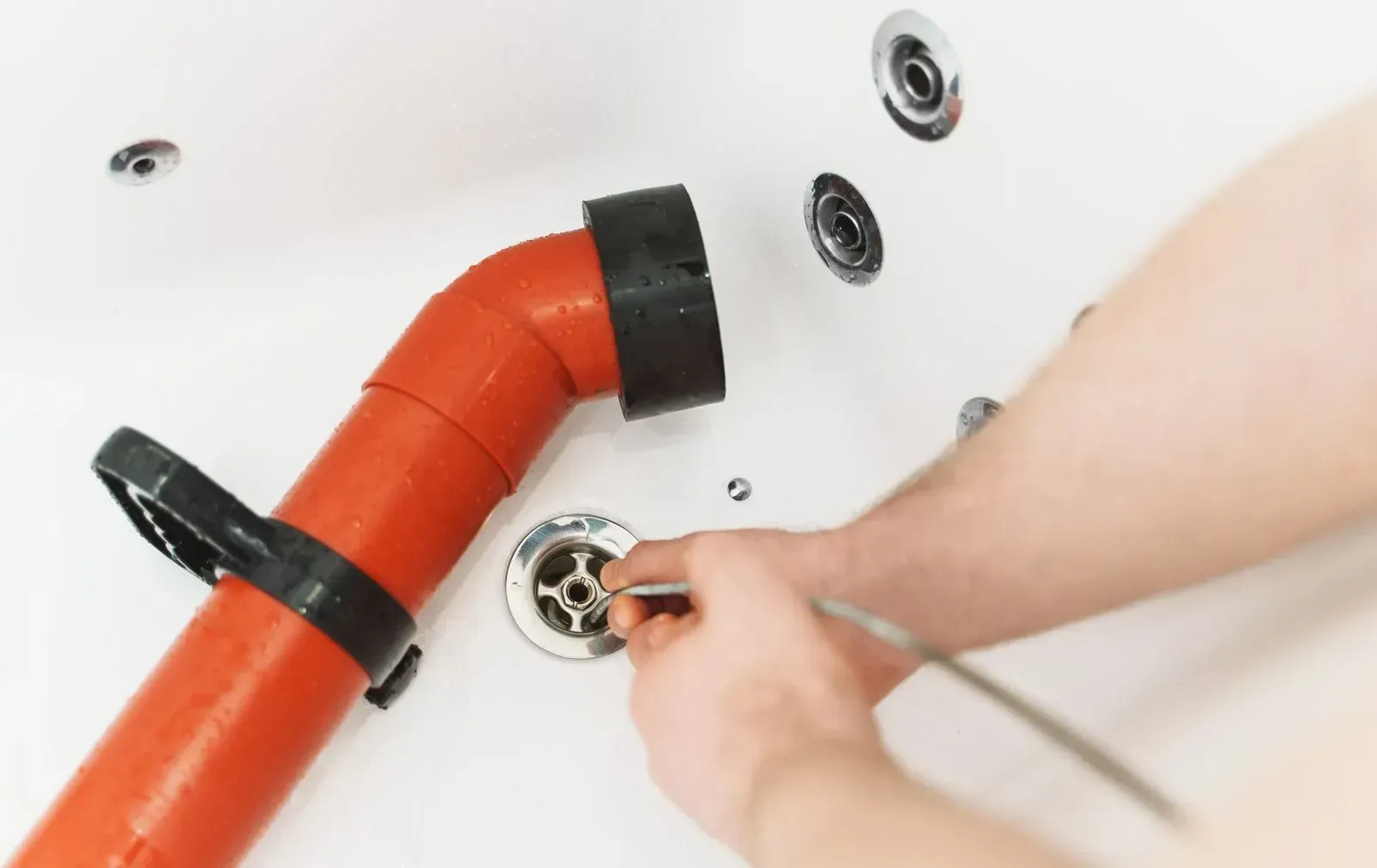
The most effective prevention is education and vigilance. Avoid flushing non-degradable items and use drain strainers to catch small objects. In cases where blockages occur, mechanical removal tools like drain snakes or professional cleaning services can restore proper flow. Regular maintenance and inspection prevent minor blockages from developing into significant plumbing issues.
Reliable Professionals Dedicated to Maintaining Clear Drains
Slow drains in Encinitas homes are rarely caused by a single factor; more often, they result from a combination of hair, grease, mineral deposits, tree roots, aging pipes, or accidental blockages. Understanding these causes empowers homeowners to take proactive steps, whether through routine maintenance, using preventive devices like strainers, or scheduling professional inspections. Addressing issues early prevents minor inconveniences from escalating into costly repairs while maintaining the efficiency and hygiene of household plumbing systems.
For homeowners seeking reliable solutions, Pipe Cleaners Plumbing
in Carteret County, North Carolina, brings over 20
years of experience in resolving slow-drain issues and other plumbing challenges. Our team specializes in identifying the root cause of drain problems, whether they involve hair, grease, tree roots, or aging pipes, and providing effective, long-lasting solutions. By combining professional expertise with the latest tools and technology, we ensure that every repair or maintenance task is performed to the highest standards. Trust Pipe Cleaners Plumbing
to protect your home’s plumbing system, restore proper drainage, and prevent future issues with precision and care. Our commitment to quality service and customer satisfaction has made us a leading authority in plumbing solutions for over 20
years.