No Hot Water in a Beach House That Sits Empty for Weeks? What to Check
Quick Answer: A tank water heater that sits unused for several weeks can lose hot water for a handful of specific, checkable reasons: a tripped high-limit safety switch, a gas pilot light that went out, sediment that settled and hardened at the bottom of the tank, or a power interruption that happened while the house was empty. On the coast, salt air and humidity trapped in a closed-up utility closet can also speed corrosion on fittings that were already due for attention. None of this is guesswork. A short walk-through of the tank tells you which one you are dealing with, and whether it is a five-minute reset or a job for a plumber.
You pull into the driveway after weeks away, unload the car, and turn on the shower before you even finish carrying in the groceries. Nothing but cold water comes out. Or it runs lukewarm for thirty seconds and then drops off entirely. For a house that was working fine the last time anyone stood in that shower, the sudden silence from the water heater feels like bad luck, and the instinct is to assume the unit failed while no one was looking.
Most of the time that is not what happened. A tank that sits unused for two, four, or eight weeks behaves differently than one that gets used every day, and several of the most common reasons for no hot water only show up after that kind of gap. Knowing which one you are looking at saves you a service call for something you can check yourself, and tells you when it really is time to pick up the phone.
Why Weeks of Sitting Idle Hits a Water Heater Harder Than Daily Use
A water heater that runs every day gets a kind of exercise. Water moves through it, sediment gets stirred and partially flushed out with normal draws, and a gas unit's pilot stays lit under steady, predictable conditions. Take all of that away for a month or more and a few things change at once.
Nothing is disturbing the sediment
Minerals in the water settle to the bottom of the tank whether the house is occupied or not, but daily use keeps some of it in suspension and moving toward the drain valve over time. Weeks of complete stillness let that layer pack down undisturbed, which sets up the popping and rumbling sound many owners notice the moment the unit fires back up.
A storm or a breaker trip goes unnoticed
Coastal weather does not pause because a house is empty. A summer storm that knocks out power for an hour, or a breaker that trips for an unrelated reason, can shut an electric water heater down completely, and nobody is there to see it happen or reset anything. The house sits dark on that one circuit for the rest of the vacancy.
A gas pilot can go out on its own
A draft through the utility closet, a slight dip in gas supply, or simple age can extinguish a standing pilot light. On a unit that gets checked daily this gets caught fast. On a unit nobody has looked at in weeks, it just stays out until someone walks in and wonders why the water is cold.
Each of these has a different fix, and the difference matters before you decide whether to call anyone.
The Reset Button Is Often the First Thing to Check
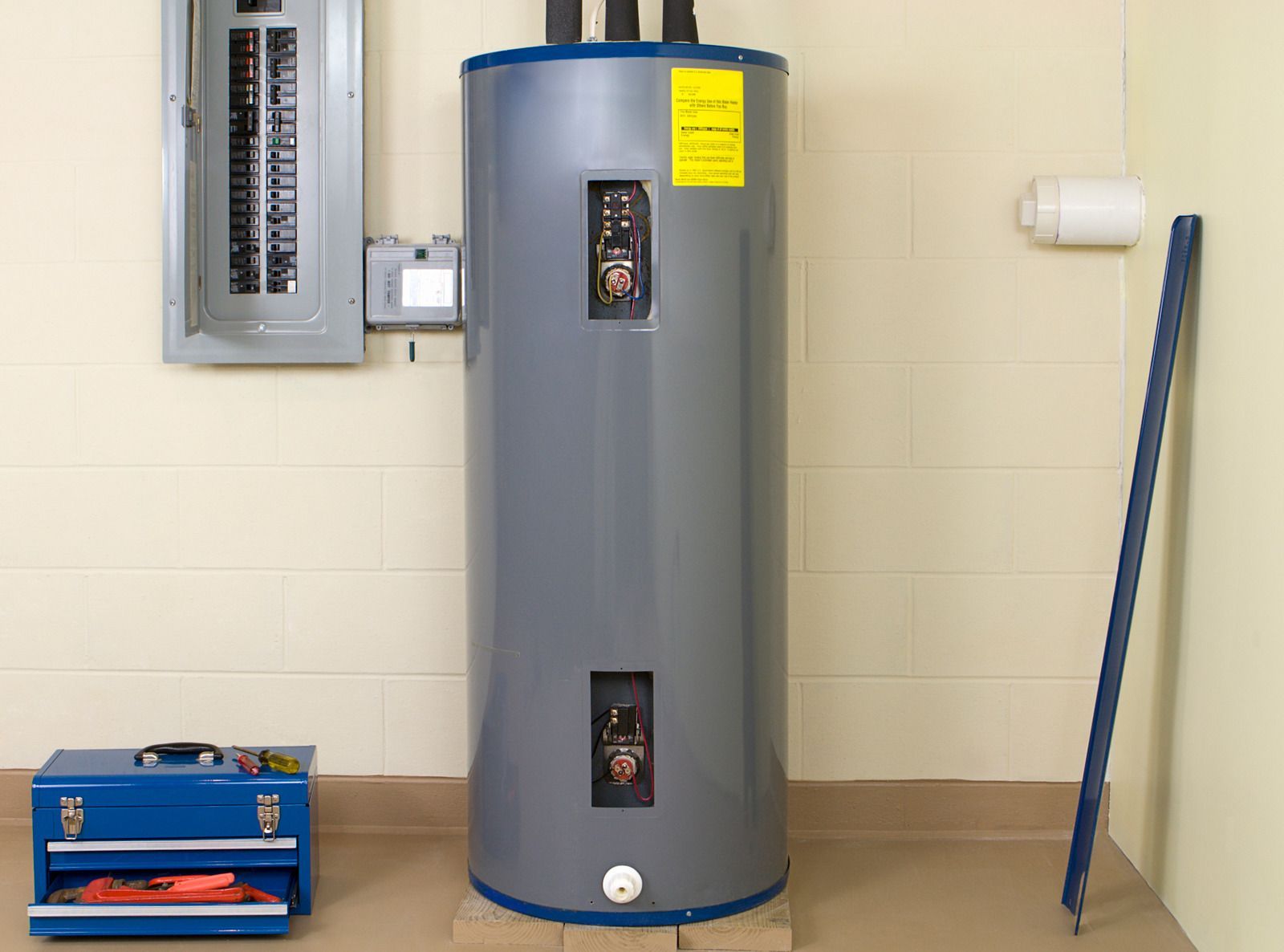
Most electric tank water heaters have a red reset button behind the upper access panel, sometimes called the high-limit safety switch. Its job is to shut the unit down completely if the water inside climbs to an unsafe temperature, and it is a separate device from the household thermostat or the breaker in your panel.
If the power blipped while the house was empty, or if a component was already starting to fail before you left, that switch can trip and stay tripped. No amount of adjusting the temperature dial or waiting will bring hot water back until someone physically presses that button. It sits behind a small panel near the top of the tank, usually next to the upper thermostat, and pressing it firmly until you hear a click is the standard reset.
Here is the part worth paying attention to. If pressing it restores hot water and it stays working, the trip was likely a one-time event tied to the power interruption. If it trips again within a day, something inside the tank, a failing thermostat, a shorted element, or built-up sediment insulating the lower element, is causing real overheating, and repeated resets just delay the same problem coming back.
Tip: Before you reset anything, note whether the breaker for the water heater was also tripped when you checked the panel. Telling a technician "the breaker was off too" versus "just the internal reset button" narrows down whether the trip was electrical or purely a temperature event inside the tank, and that detail speeds up the diagnosis considerably.
Relighting a Gas Pilot After Weeks Away
Gas units add a wrinkle. If the pilot went out while the house sat empty, relighting it is usually a short process outlined right on a label attached to the unit. Turn the gas control knob to off, wait several minutes for any residual gas to clear, then switch to the pilot setting and follow the ignition steps on that label.
Warning: If you smell gas anywhere near the water heater, do not attempt to relight the pilot. Turn the gas control valve off, leave the area, and have the system checked before anyone tries again. A pilot that will not stay lit after more than one honest attempt, or a unit that smells off in any way, is a sign to stop and call a professional rather than keep trying on your own.
In the routine case, a gas pilot that went out during a normal vacancy relights without drama and the water heater goes right back to work. The caution above covers the exception, not the rule, but read it before you reach for a lighter.
Reading the Backup and Getting Ahead of It
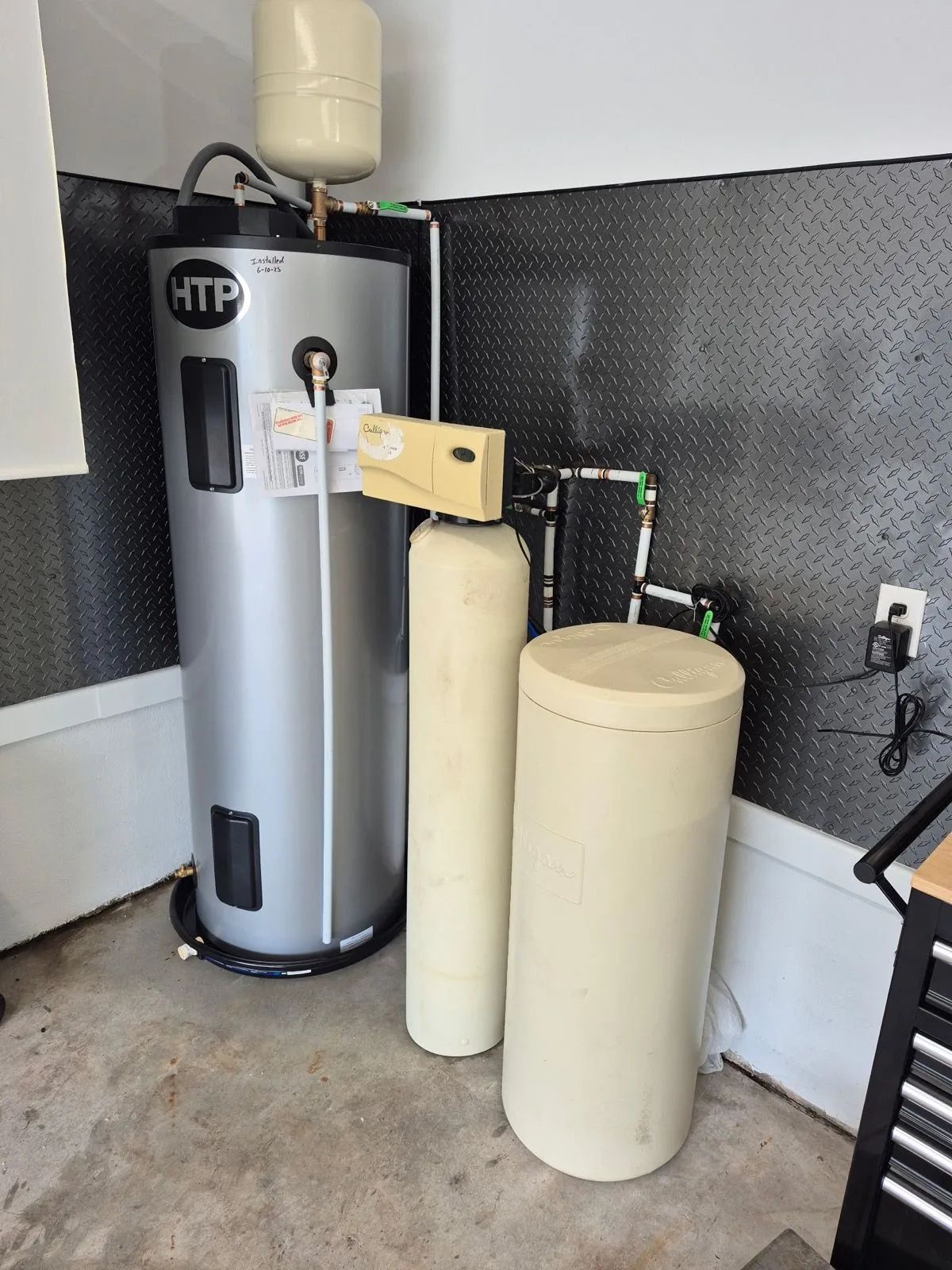
Homes on the water carry an extra variable that inland houses do not deal with in the same way. Salt-laden, humid air corrodes exposed metal noticeably faster than drier inland air, and that effect does not stop just because a house is empty. A utility closet or garage that stays sealed for weeks with humidity trapped inside can actually be harder on unprotected fittings than one that gets some air movement from daily household activity.
Anode rods, the sacrificial metal rods inside a tank designed to corrode instead of the tank itself, take on more of that burden in a coastal setting than they would inland. Pressure relief valves, unions, and other fittings on the exterior of the unit are also more exposed to that salty humidity than the tank interior. If your water heater is several years old and lives in a space with any outside air exchange, a stretch of vacancy is a reasonable prompt to have those components looked at along with whatever symptom brought you here, since a corroded fitting rarely announces itself until it starts to weep or seize.
Stagnant Water and Why You Shouldn't Just Trust the First Hot Blast
There is one more piece worth understanding before you write the whole thing off as fixed. Public health guidance on building water systems generally points to keeping water heater output at or above roughly 120°F, in part because water that sits for extended periods in a lukewarm range provides more favorable conditions for bacterial growth than water kept consistently hot or consistently cold. A tank that has been sitting unused and cooling slowly for weeks, then heating back up unevenly around a layer of sediment, is exactly the kind of scenario that guidance is aimed at.
The practical takeaway is simple. Once hot water is flowing again after a long vacancy, run the taps, including any that are rarely used like an outdoor shower or a guest bathroom, for a few minutes before treating the system as fully back to normal. If your water heater's thermostat has drifted down over the years or was ever set unusually low for energy savings while the house sat empty, this is also a good moment to confirm it sits in a normal working range rather than assuming the last setting was correct.
Putting It Together Before You Call
Walk through it in order. Check the breaker first, then the reset button behind the access panel on an electric unit, or the pilot light and its label instructions on a gas unit. Listen for popping or rumbling that points to settled sediment. Look at the unit itself, and the closet it sits in, for any sign of corrosion on fittings, valves, or the anode rod access point, especially if the space stayed sealed and humid the whole time you were gone. Most no-hot-water situations after a long vacancy trace back to one of these, and most of them are either a simple reset or a maintenance item rather than a failed tank.
What separates a quick fix from a bigger repair is usually how the unit responds once it is back on. A reset that holds, a pilot that stays lit, and hot water that runs clear and strong after a few minutes of flushing the taps are all good signs. A switch that trips again within a day, a pilot that will not hold, or water that stays discolored or smells off after running are signs the underlying cause is still there and worth a closer look before your next stretch away from the house.
Frequently Asked Questions
My water heater's reset button keeps tripping even after I press it. What does that mean?
A single trip tied to a power blip is normal. Repeated tripping points to a real internal problem, often a failing thermostat, a shorted element, or sediment causing overheating.
Is it normal for a water heater to make noise the first time it runs after weeks of vacancy?
Some popping or rumbling is common right after a long vacancy and usually points to settled sediment. If it fades after a few cycles, the tank likely just needs flushing soon.
Should I turn my water heater off completely before leaving a beach house empty for weeks?
That depends on trip length, season, and your unit, so it's worth a conversation with a plumber. What matters most on return is checking the reset button, pilot, and clarity.
How can I tell if my no-hot-water problem is the tank itself or just the reset switch?
If pressing reset restores hot water and it holds through several days of normal use, the tank is likely fine. If it trips again, or water looks off, something deeper needs attention.
Does salt air really affect a water heater that sits indoors in a closet?
Yes, more than most expect. Any air exchange with the outside carries salt and humidity in, and fittings, valves, and the anode rod take the brunt of that damage over time.
Quiet Water Heater Doesn't Always Mean Trouble
A water heater that goes quiet after weeks of sitting empty is rarely broken beyond repair. Most of the time, the cause is something ordinary: a tripped reset switch, a pilot light that went out, or sediment that settled and hardened while nothing disturbed it. Working through these checks in order, breaker, reset button, pilot, and any unusual noise, usually points straight to the answer before a service call ever becomes necessary.
Coastal homes add their own wrinkle, since salt air and trapped humidity work on fittings and anode rods faster than they would inland, especially in a closet that stayed sealed for weeks. Pipe Cleaners Plumbing
has spent 20
years helping homeowners across Carteret County, NC sort out exactly this kind of surprise, and a tank that responds well to these first checks is usually one that just needed a little attention after time away.