Top 5 Signs Your Drains Are Clogged and Need Immediate Attention
Clogged drains rarely become a crisis overnight; instead, they develop gradually through overlooked warning signs that many homeowners and facility managers fail to recognise until water backs up or unpleasant odours spread through the property. In residential bathrooms, commercial kitchens, and older plumbing networks, early indicators are often dismissed as minor inconveniences rather than signals that a deeper obstruction is forming inside the drainage system. Understanding these subtle developments is essential for preventing costly repairs, water damage, and hygiene concerns that can escalate without timely professional intervention. This awareness empowers property owners to act responsibly and maintain system reliability year-round.
This blog explores the top five signs that indicate your drains are clogged and require immediate attention, presenting practical insights grounded in plumbing best practices and real-world scenarios. Each section explains how these symptoms develop, why they should never be ignored, and what proactive steps homeowners, landlords, and facility supervisors can take to reduce disruption and safeguard structural integrity. By recognising these warning signs early, you can avoid emergency callouts, extend the lifespan of your drainage system, and ensure healthier, more dependable water flow across every area of your property. The guidance shared here supports informed maintenance decisions for readers.
1. Slow Draining Water — The First Warning Sign
Why Slow Drainage Happens
Slow drainage is one of the earliest and most common indicators of a developing clog. Over time, everyday materials such as hair, soap residue, grease, coffee grounds, food particles, and mineral deposits accumulate inside drainpipes. Instead of allowing water to flow freely, these materials form a narrowing pathway that gradually restricts movement through the line.
In bathroom sinks and showers, hair buildup is the usual culprit, while in kitchens, oils and food waste are typically responsible. Although slow drainage may seem harmless at first, it signals that a blockage is forming beneath the surface — and it will continue to worsen without intervention.
Risks of Ignoring This Sign
When slow drainage is neglected, several issues can arise:
- Increased pipe pressure leading to leaks or cracks
- Recurring water pooling that damages flooring and cabinetry
- Bacterial growth due to stagnant water
Left untreated, a partially clogged drain often becomes a complete obstruction that requires urgent repair.
Best-Practice Response
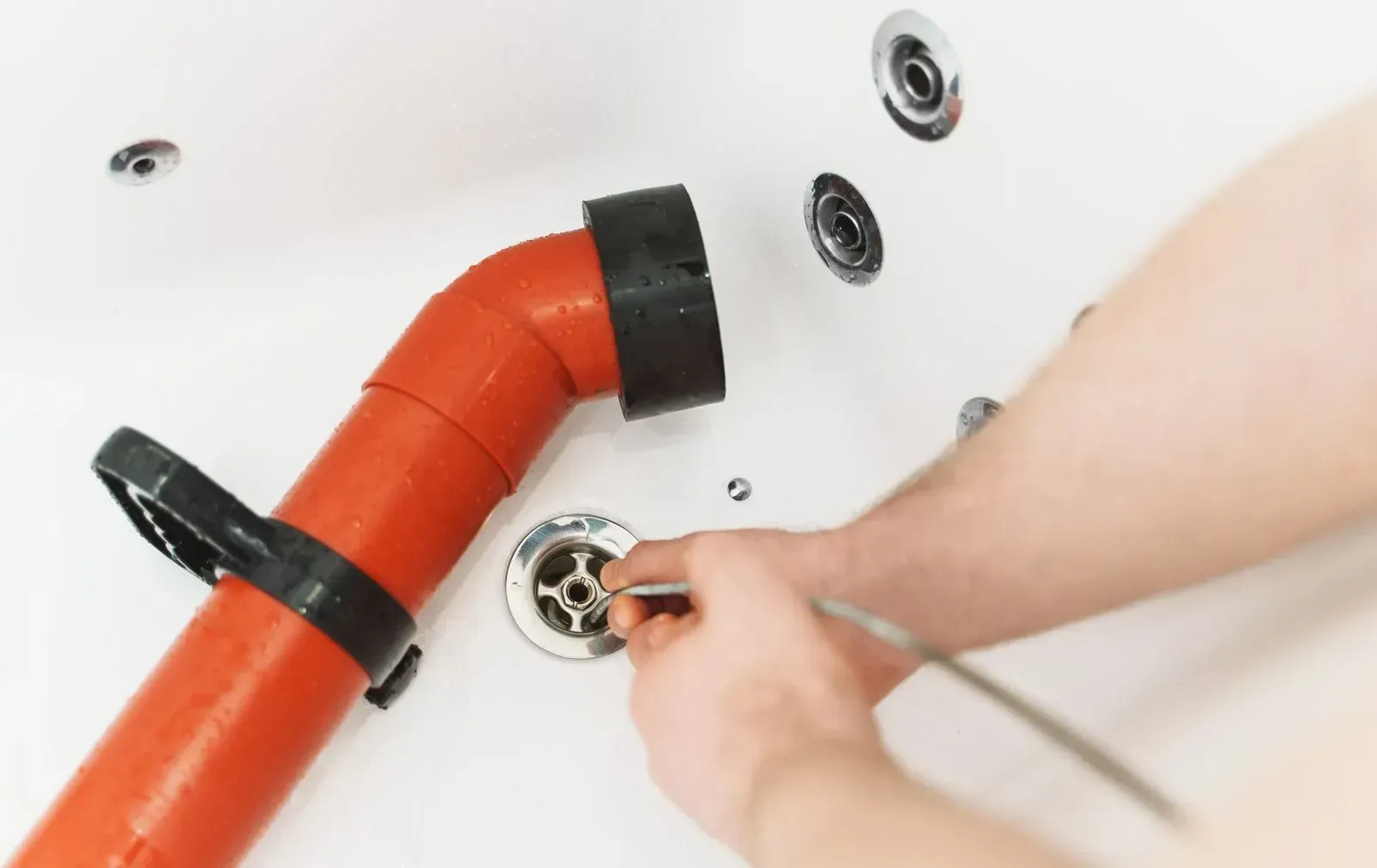
Property owners should avoid chemical drain cleaners, which can corrode pipes and weaken seals. Instead, periodic professional inspections, mechanical cleaning, or hydro-jetting provide safer and longer-lasting results, ensuring drainage systems remain structurally sound.
2. Gurgling Noises and Air Bubbles — A Sign of Trapped Air
What These Sounds Indicate
Gurgling noises from sinks, bathtubs, toilets, or floor drains typically indicate trapped air within the drainage system. When a clog forms, air becomes compressed and pushes upward through the water, producing bubbling or suction-like sounds. This usually means:
- Wastewater is struggling to pass through the pipe
- A deeper obstruction may be forming within the main line
- Vent pipes may be partially blocked
These sounds rarely disappear on their own and should be treated as a structural warning rather than an inconvenience.
Why Immediate Action Matters
Ignoring gurgling drains can eventually result in:
- Pressure buildup inside plumbing lines
- Sewage odour release into living areas
- Complete system backup during heavy water use
Prompt professional assessment prevents internal contamination, reduces health risks, and ensures the drainage network operates safely and efficiently.
Real-World Scenarios
In multi-storey properties, gurgling drains can affect multiple fixtures at once. For example, flushing a toilet may cause bubbling in a nearby shower drain. This suggests that the clog is located further along the system and may be affecting branch lines or the primary sewer connection.
In older homes, deteriorated pipe interiors or root intrusion can amplify this issue, increasing the risk of wastewater backflow.
3. Unpleasant Odours — A Hygiene and Health Concern
Where These Odours Come From
Persistent drain odours occur when organic matter becomes trapped inside pipes and begins to decompose. Food residue, soap scum, fats, and biological waste create a breeding ground for bacteria and mould, which release unpleasant smells that travel back through the drain opening.
In some cases, faulty trap seals or ventilation issues allow sewer gases to escape indoors, producing strong sulphur-like odours that require immediate attention.
Health and Structural Implications
Odour problems are not only unpleasant — they may indicate:
- Bacterial growth within the drainage system
- Standing wastewater concealed inside pipework
- A failing or dry P-trap
- Vent blockage allowing sewer gases to enter rooms
Prolonged exposure to sewer gases can trigger headaches, respiratory irritation, and indoor air-quality concerns, particularly in poorly ventilated spaces.
Best-Practice Preventive Measures
Routine flushing of infrequently used drains, grease-free kitchen disposal habits, and periodic professional cleaning significantly reduce odour-related issues. If smells persist, expert inspection is vital to identify whether the cause relates to localised buildup or a deeper structural problem within the sewer line.
4. Water Backups and Overflow — An Immediate Emergency Indicator
How Backups Develop
Water backing up into sinks, showers, or toilets indicates a severe obstruction within the drainage or sewer line. At this stage, wastewater has nowhere to travel and reverses direction, forcing contaminated water back through household fixtures.
This situation commonly occurs due to:
- Heavy grease accumulation
- Foreign objects lodged in pipes
- Collapsed or misaligned pipe segments
- Tree root invasion in underground lines
Unlike slow drainage, backups rarely resolve without professional intervention.
Consequences of Delayed Response
Water overflow can cause extensive property damage, including:
- Floor and wall deterioration
- Electrical hazards
- Mould development
- Contamination of living areas with harmful bacteria
Additionally, recurring backups may signal structural pipe defects, which — if ignored — can escalate into costly excavation or sewer replacement projects.
Expert-Recommended Action Steps
When a backup occurs, shutting off water supply to affected fixtures and avoiding further system use is essential. Professional plumbing technicians can identify the clog’s location using diagnostic tools, allowing precise, minimally invasive repairs that restore safe and reliable drainage performance.
5. Multiple Drains Clogging at Once — A System-Wide Warning
What This Pattern Reveals
When several drains become blocked simultaneously — such as toilets, showers, and floor drains — the issue is rarely limited to surface-level buildup. Instead, it typically indicates a blockage within the main sewer line or a significant structural defect affecting the overall system.
Common contributing factors include pipe deterioration, soil movement, improper installation, or invasive tree roots that constrict flow.
Realistic Property Impact
System-wide clogs can disrupt daily routines, hinder business operations, and create environmental hygiene concerns. In rental or multi-unit properties, unresolved main-line issues can also affect multiple occupants, increasing liability and repair urgency.
Why Professional Diagnosis Is Critical
Main-line complications require specialist assessment, as temporary DIY fixes may worsen existing damage or mask underlying structural failure. Through professional investigation and targeted repair, property owners gain long-term system stability and greater confidence in drainage performance.
Clogged drains seldom develop without warning; instead, they reveal themselves through gradual but recognisable signs such as slow drainage, bubbling noises, unpleasant odours, backups, and multiple fixture blockages. Responding promptly to these indicators protects property interiors, prevents hazardous contamination, and preserves the long-term integrity of your plumbing infrastructure. Timely maintenance also minimises repair costs, reduces disruption, and supports healthier indoor environments for residents, employees, and visitors alike.
Understanding what these warning signs mean — and acting before they escalate — is one of the most effective ways to maintain a reliable and efficient drainage system. Whether you manage a busy commercial facility, oversee rental units, or care for your family home, recognising and addressing clogged-drain symptoms early ensures safer operation, smoother water flow, and greater peace of mind across every area of your property.
Experienced Plumbing Professionals Committed To Lasting Results
With more than 20 years of dedicated industry experience, Pipe Cleaners Plumbing has built a reputation as a dependable, highly skilled plumbing service provider committed to helping property owners maintain safe, efficient, and resilient drainage systems. Based in Pipe Cleaners Plumbing, our team combines technical expertise with practical field knowledge, allowing us to diagnose clogged-drain problems accurately and deliver solutions that prioritise long-term system performance. We approach every project with professionalism, clear communication, and a strong focus on customer trust — values that continue to shape our service standards across residential, commercial, and multi-unit environments.
Our specialists draw on advanced inspection methods and proven maintenance practices to address everything from early-stage drain blockages to complex main-line issues. By partnering with
Pipe Cleaners Plumbing, clients gain the support of an experienced plumbing authority that understands the importance of timely intervention, structural reliability, and responsible system care. Whether you are responding to active drain symptoms or seeking preventive maintenance guidance, our team is committed to providing informed, dependable service that protects your property and reinforces confidence in your drainage network for years to come.