When You Should Upgrade Your Water Heater
Your
water heater
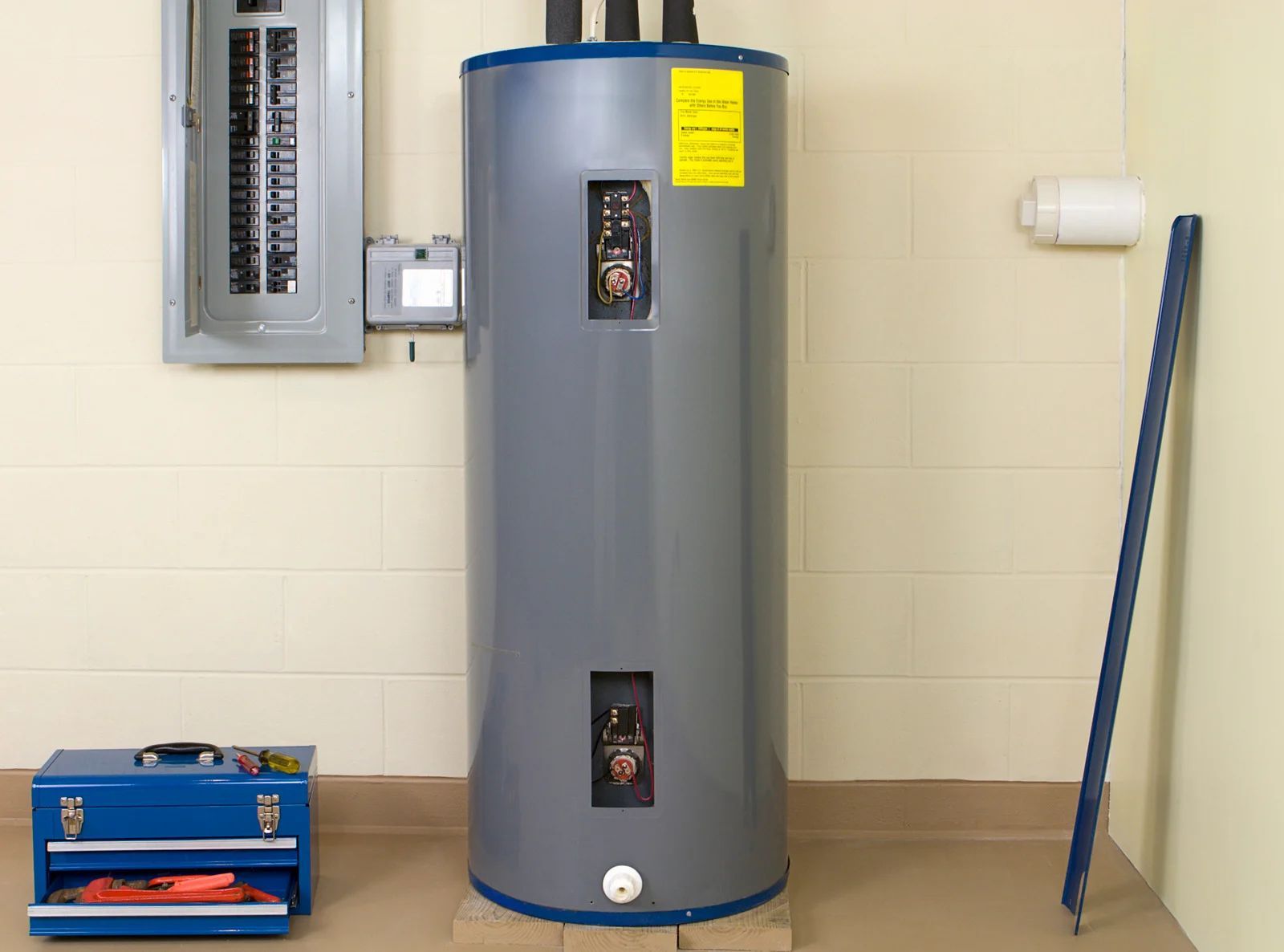
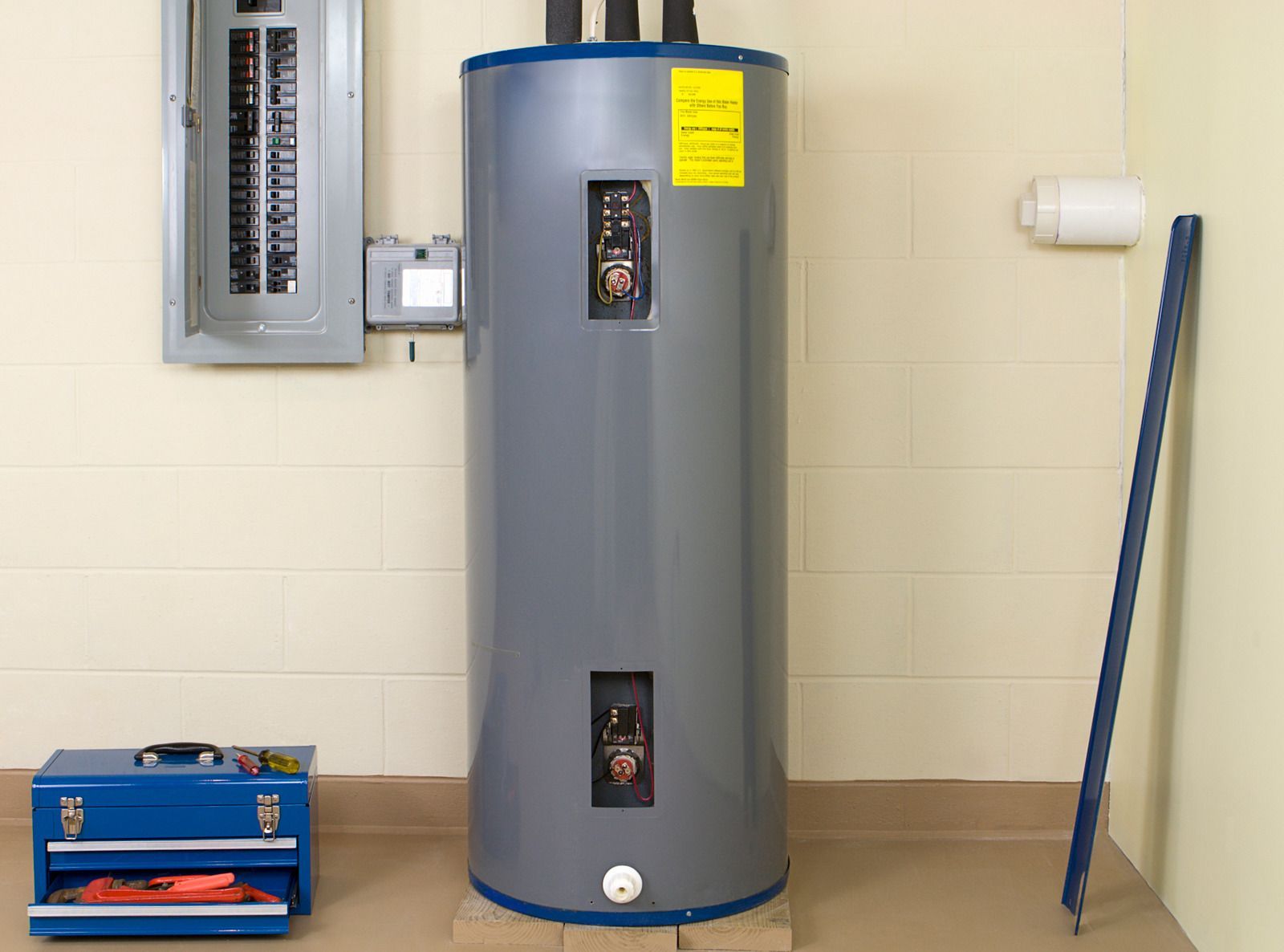
is an essential yet often overlooked home appliance. It works tirelessly behind the scenes to provide hot water for showers, laundry, and dishes. However, water heaters don't last forever, and knowing when to upgrade is crucial to avoid costly breakdowns and inconvenient cold showers. Let's delve into the telltale signs indicating it's time for a replacement.
Age Matters
Most traditional tank-style water heaters have an average lifespan of 10 to 15 years. As your water heater ages, it's wise to look for potential problems. If you're unsure of its age, you can find the manufacturer's date by looking up the serial number in the manufacturer's resources.
Warning Signs to Watch For
Several warning signs can tell you that your water heater might be nearing the end of its useful life. If you notice rusty or discolored water, rumbling or banging noises from the tank, water leaks around the base, or an inability to supply enough hot water for your needs, a replacement could be on the horizon.
The Benefits of Proactive Replacement
Sometimes, it's wiser to replace an aging water heater even if it's still functioning. Older models are less energy-efficient so that a new one can lower your utility costs. Modern water heaters often have better insulation and energy-saving features. Upgrading could save you money in the long term if an older unit needs frequent repairs.
Factors to Consider
Think about your household needs. If your family has grown or your hot water demands have increased, replacing your water heater with one with a larger tank might be necessary. Also, explore modern energy-efficient options like tankless water heaters and heat pump water heaters; these could significantly impact your energy consumption.
Types of Water Heaters
When considering an upgrade, it's good to be aware of different water heater options. Beyond the traditional tank style, there are tankless water heaters that provide hot water on demand and heat pump water heaters that utilize a highly efficient heating method. Research these alternatives to see if they align with your household needs and efficiency goals.
Upgrading Brings Advantages
Replacing your old water heater has several benefits. You'll enjoy peace of mind knowing you have a reliable source of hot water. A timely upgrade can also result in potential savings on energy bills, increased home value, and inconvenient emergency breakdowns.
Consult with a Professional
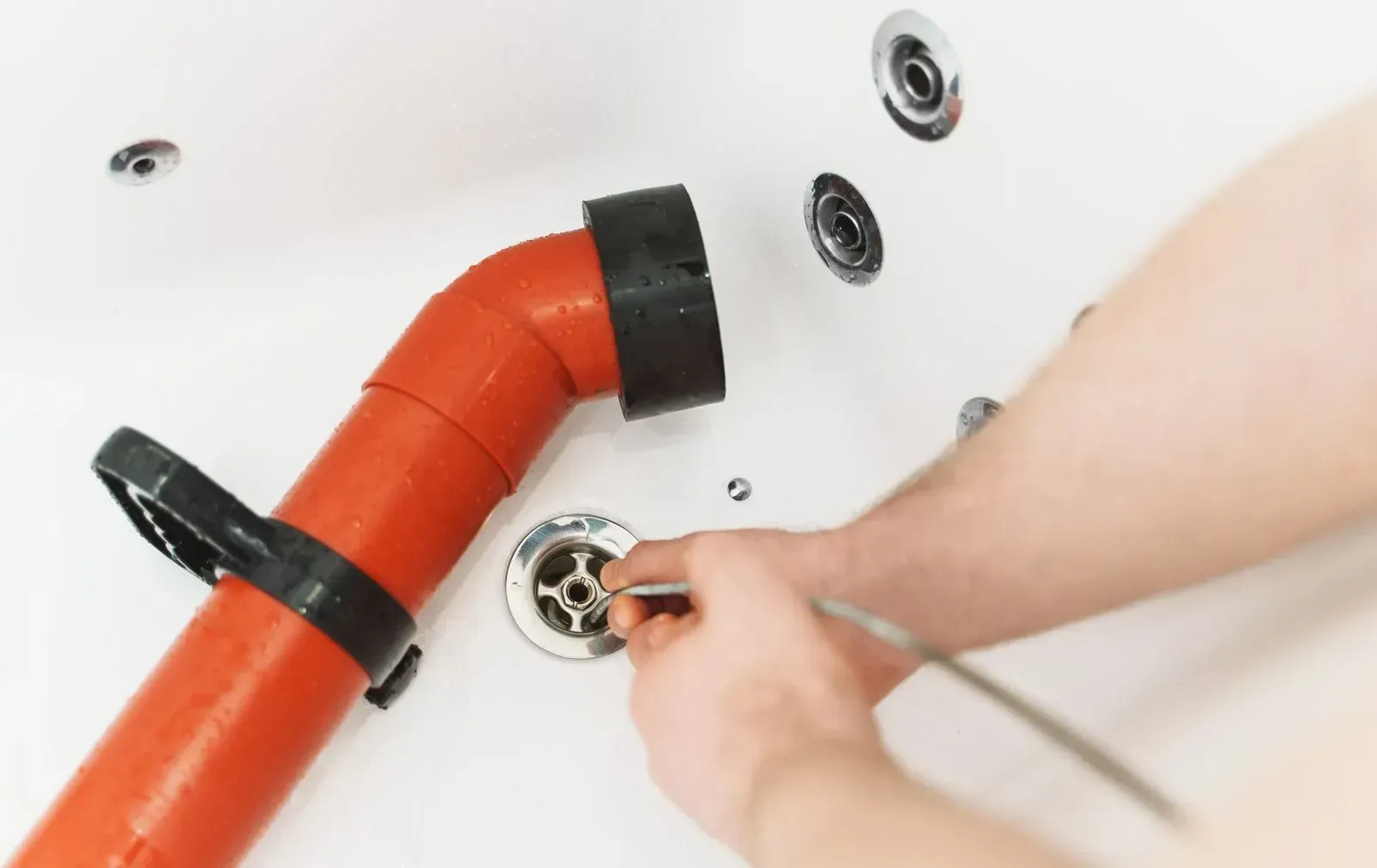
Contact a qualified plumber or HVAC specialist if you're unsure whether to repair or replace your water heater. They can assess the situation, discuss the best options for your needs, including different types of water heaters, and help you choose the most cost-effective and sensible solution.