DIY vs Professional Drain Repair: What’s Best for Your Home?
Maintaining a home’s plumbing system is a critical aspect of ensuring both comfort and safety. Among the many issues homeowners encounter, drain problems are among the most common and frustrating. Slow drains, recurring clogs, and unpleasant odors can disrupt daily routines and, if left untreated, lead to more serious structural and health issues. In addition, unresolved drain issues can contribute to water damage, mold growth, and decreased property value, making timely intervention essential. As homeowners face these challenges, a pressing question arises: should you attempt a DIY drain repair, or is it wiser to hire a professional plumber? This decision is not just about cost—it affects the longevity of your plumbing system, your safety, and the overall value of your home. Understanding the scope of the problem and the potential consequences of a misstep is crucial for making the right choice.
The rise of DIY culture, fueled by online tutorials and readily available plumbing tools, has empowered homeowners to tackle minor repairs themselves. Simple fixes like plunging a sink or clearing small clogs can be appealing and provide immediate relief, but not all plumbing issues are straightforward. What starts as a small clog can quickly escalate into a significant problem requiring extensive repairs or even pipe replacement. On the other hand, professional drain repair services bring expertise, advanced equipment, and knowledge of plumbing codes that ensure repairs are both effective and safe. Professionals can also identify hidden issues that homeowners may overlook, preventing recurring problems and costly damage. In this blog, we’ll explore the advantages and disadvantages of both DIY and professional drain repair, providing actionable insights to help homeowners make informed decisions that protect their homes and investments.
Understanding Drain Problems
Common Causes of Drain Issues
Drains can malfunction for a variety of reasons, many of which are preventable with proper maintenance. Hair, soap residue, and grease are common culprits for slow kitchen and bathroom drains. Tree roots infiltrating underground pipes, misaligned plumbing joints, and deteriorated pipes can lead to chronic clogs or leaks. Even minor obstructions, like small debris or sediment build-up, can cause significant disruptions if ignored. Understanding the root cause of a drain problem is essential before deciding on the repair method.
Signs Your Drain Needs Attention
Recognizing early warning signs of drain problems can prevent costly repairs. Common indicators include slow draining sinks, gurgling sounds, foul odors, water backups, or frequent clogging in the same location. Visible water pooling around fixtures or in basements signals a more serious underlying issue. Homeowners who act promptly can often address minor issues themselves, whereas ignoring these signs can lead to emergencies that require professional intervention.
DIY Limitations in Diagnosing Problems
While minor clogs can sometimes be diagnosed visually or with simple tools, many drainage problems are hidden underground or inside walls. Misdiagnosing a problem may result in ineffective repairs, wasted time, or exacerbated damage. Professional plumbers employ cameras, hydro jetting, and pipe locators to accurately identify blockages and structural weaknesses, minimizing the risk of recurring issues.
Techniques Used in Professional Drain Cleaning
Benefits of DIY Repairs
DIY drain repair appeals to homeowners for several reasons. Cost savings is often the primary motivator, as hiring a professional can be expensive, especially for complex repairs. Additionally, minor tasks like plunging a sink, removing a visible clog, or using chemical or enzymatic drain cleaners can be completed quickly without scheduling delays. DIY solutions also provide a sense of independence and accomplishment, allowing homeowners to address small issues immediately.
Risks and Challenges of DIY Repairs
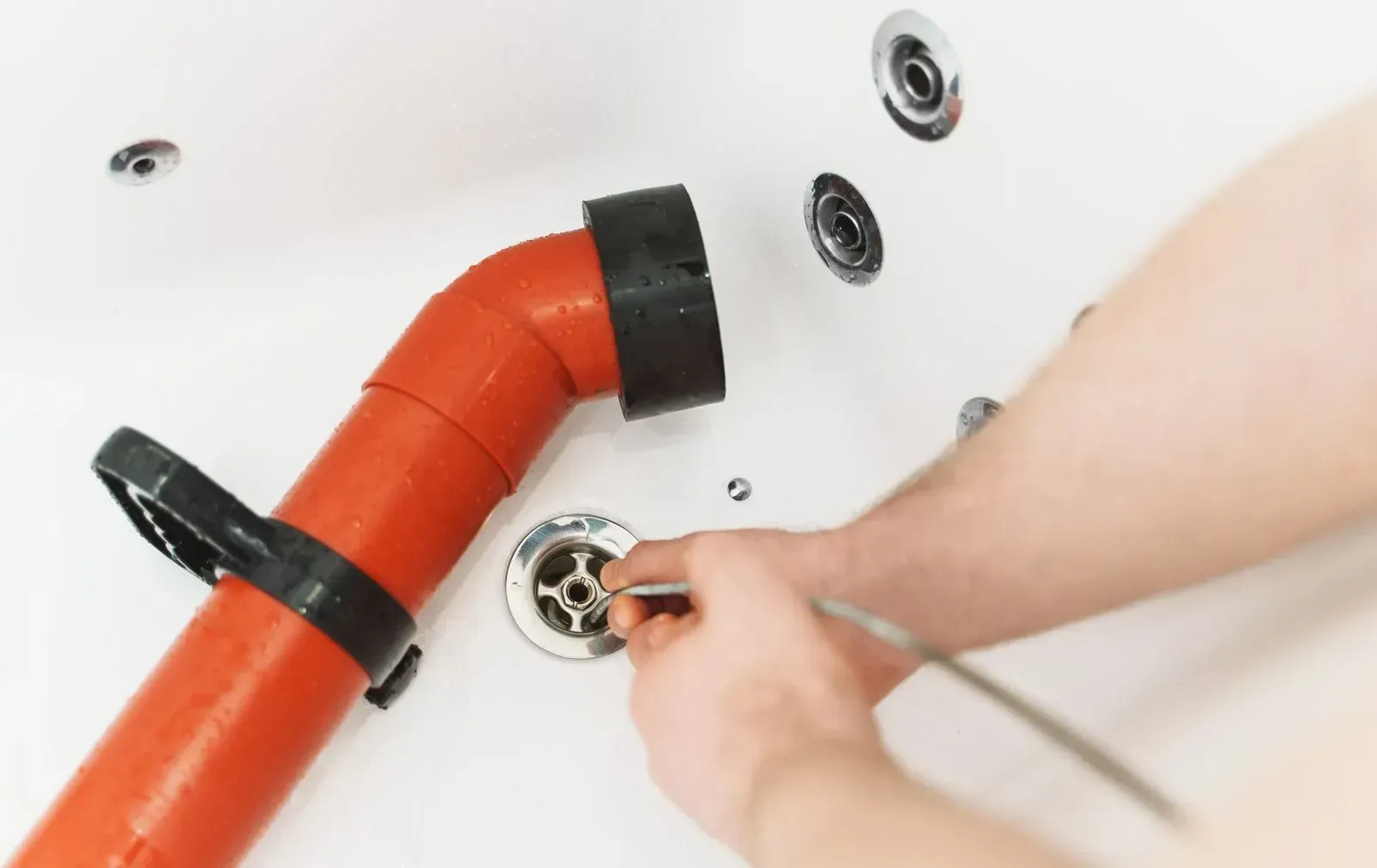
Despite the appeal, DIY drain repair carries significant risks. Improper use of chemical cleaners can damage pipes, especially older metal plumbing, and may pose health hazards. Mechanical tools, such as augers or snakes, can scratch or puncture pipes if used incorrectly. More importantly, DIY methods often address symptoms rather than underlying causes, leaving the root problem unresolved. This can lead to recurring clogs, leaks, or even structural damage over time.
Best Practices for Safe DIY Drain Maintenance
Homeowners who opt for DIY solutions should follow safety and maintenance guidelines. Always wear protective gloves and eyewear when handling chemicals or tools. Avoid flushing large debris, grease, or foreign objects down drains. Regular preventative measures, such as using strainers, periodically flushing pipes with hot water, or applying natural enzymatic cleaners, can reduce the frequency of clogs and extend the lifespan of plumbing systems.
Professional Drain Repair – Advantages and Insights
Expertise and Experience
Professional plumbers bring years of training and hands-on experience to drain repair. They can quickly diagnose issues, whether the problem is a simple clog or a more complex pipe collapse. Their expertise ensures that repairs are done efficiently and in compliance with plumbing codes, reducing the likelihood of future problems.
Advanced Tools and Techniques
Modern drain repair often requires specialized equipment. Professionals use high-pressure hydro jetting to clear stubborn blockages, camera inspections to pinpoint issues, and trenchless pipe repair methods to avoid costly excavation. These tools not only provide accurate diagnostics but also minimize disruption to your home. For example, a camera inspection can detect tree root intrusion or pipe corrosion before it escalates, allowing for targeted repairs rather than a trial-and-error approach.
Long-Term Reliability
Professional repairs are designed to provide long-term solutions. Unlike quick DIY fixes, which may temporarily resolve symptoms, expert interventions address the root cause of drain problems. This prevents recurring clogs, leaks, and structural damage, ultimately saving homeowners time, money, and stress.
Cost Considerations
While professional services carry higher upfront costs, they can be more cost-effective in the long run. Avoiding repeated DIY attempts, preventing emergency plumbing situations, and reducing property damage expenses contribute to overall savings. Additionally, many professional plumbers offer warranties or guarantees, providing peace of mind that the repair is reliable.
Comparing DIY and Professional Approaches
Situations Where DIY Works
DIY solutions are suitable for minor, straightforward issues. A hair clog in a bathroom sink, a slow kitchen drain caused by grease buildup, or minor maintenance tasks like cleaning strainers can be effectively handled by homeowners. These situations typically do not involve hidden damage or complex plumbing structures.
Scenarios Requiring Professionals
Professional intervention is essential when problems are persistent, severe, or involve complicated plumbing. Examples include repeated backups, sewer line blockages, damaged underground pipes, tree root intrusion, or corroded and leaking pipelines. Attempting to repair these issues without expertise can worsen the problem and lead to costly repairs.
Evaluating Risk vs. Reward
Homeowners should weigh the risks of DIY repair against potential benefits. Quick fixes may save money upfront, but the risk of misdiagnosis, pipe damage, or incomplete repair often outweighs these savings. Professional repair, while more expensive initially, ensures accuracy, safety, and long-term effectiveness.
Decision-Making Tips
When deciding between DIY and professional repair, consider the following factors: severity of the problem, homeowner skill level, availability of proper tools, potential safety hazards, and long-term implications for your plumbing system. Minor blockages can be handled at home, but any issue that persists or affects multiple areas of the plumbing system warrants professional attention.
Preventative Measures to Reduce Drain Problems
Routine Maintenance
Regular maintenance is key to preventing drain issues. Simple practices like using drain strainers, flushing drains with hot water weekly, and avoiding grease disposal down the sink significantly reduce the likelihood of clogs.
Periodic Professional Inspection
Even with excellent maintenance, professional inspections are valuable. Plumbers can identify early signs of pipe corrosion, root intrusion, or misalignment that are not visible to the untrained eye. Periodic check-ups can extend the lifespan of your plumbing system and prevent emergencies.
Educating Household Members
Homeowners should educate family members about proper drain usage. Avoiding disposal of food scraps, sanitary products, or foreign objects into drains can prevent many common problems. Creating household rules around drain care helps maintain a healthier plumbing system.
Implementing Preventative Tools
In addition to behavioral measures, installing preventative tools such as water softeners, grease traps, or enzymatic drain treatments can enhance drain longevity. These tools reduce buildup and chemical corrosion, ensuring smoother water flow and fewer clogs.
Reliable Plumbing Experts Protecting Your Home Efficiently
Choosing between DIY and professional drain repair is a decision that requires careful consideration. While DIY solutions may provide immediate relief for minor clogs and maintenance tasks, they often fall short in addressing complex or hidden plumbing issues. Professional drain repair, by contrast, ensures accurate diagnostics, long-lasting results, and compliance with plumbing codes, protecting both your home and investment. By understanding the severity of the problem, the limitations of DIY methods, and the advantages of expert intervention, homeowners can make informed choices that safeguard their property. Additionally, relying on professional expertise reduces the risk of accidental damage, prevents recurring issues, and can ultimately save both time and money over the long term.
For residents in Carteret County, North Carolina, Pipe Cleaners Plumbing
has been a trusted name in drain repair and plumbing services for 20
years. Our team of licensed, experienced professionals is committed to delivering reliable, efficient, and safe solutions tailored to each home’s unique needs. Whether it’s a minor clog, a complex sewer issue, or preventative maintenance, we combine industry-leading tools, expert knowledge, and personalized service to ensure your drains function flawlessly. We also prioritize clear communication and transparent pricing, making the repair process straightforward and stress-free for every homeowner. With Pipe Cleaners Plumbing, homeowners enjoy peace of mind knowing their plumbing is in capable, professional hands, backed by decades of proven experience and a reputation for excellence.