Benefits of Upgrading to a New Energy-Efficient Water Heater
Water heaters are essential components of any modern home, providing the hot water necessary for daily tasks such as bathing, cooking, and cleaning. While traditional water heaters have served households for decades, technological advancements have introduced energy-efficient models that offer a compelling combination of performance, cost savings, and environmental responsibility. Upgrading to a new energy-efficient water heater is not merely a matter of convenience; it is a strategic decision that impacts both long-term utility expenses and overall home sustainability. As energy costs continue to rise and environmental concerns intensify, the relevance of energy-efficient appliances in residential and commercial settings has never been greater. In addition, modern systems often feature smart technology integration, allowing homeowners to monitor usage, adjust settings remotely, and optimize energy consumption with minimal effort. This level of control enhances both efficiency and convenience, making energy-efficient water heaters a cornerstone of smart home solutions.
Many homeowners underestimate the benefits of transitioning to a high-efficiency water heating system. Beyond immediate savings on energy bills, modern water heaters provide faster heating, enhanced reliability, and longer lifespans compared to older models. Additionally, energy-efficient systems are designed to minimize heat loss and optimize water usage, contributing to reduced environmental impact. These innovations not only improve household comfort but also support long-term financial planning, as lower operating costs accumulate over years of use. Recognizing these advantages can help homeowners make informed decisions that balance comfort, cost-effectiveness, and ecological responsibility. Upgrading today represents an investment that pays dividends in efficiency, convenience, and sustainability, while also adding value to the property and future-proofing it against rising energy costs.
Understanding Energy-Efficient Water Heaters
What Makes a Water Heater Energy-Efficient?
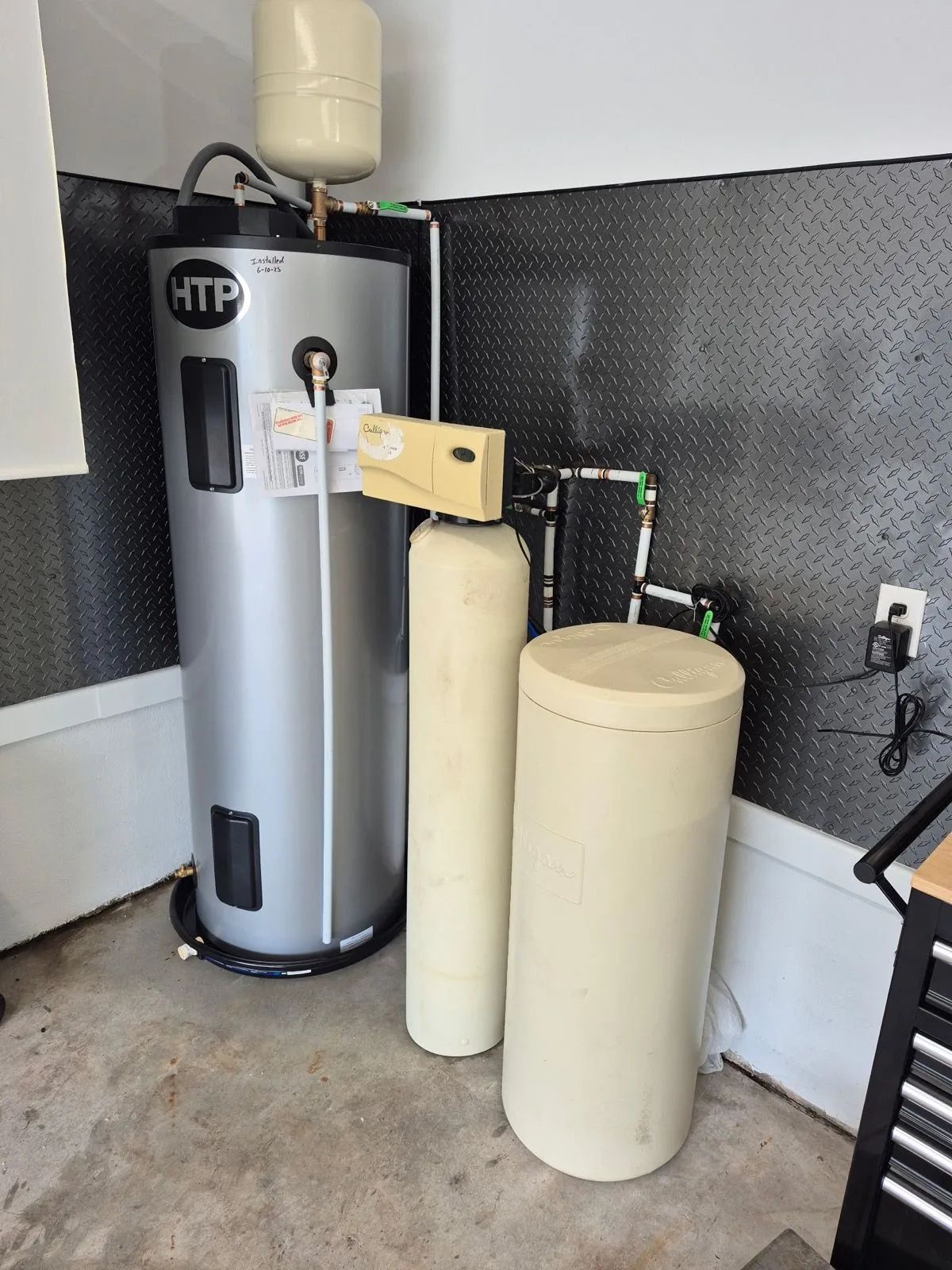
Energy-efficient water heaters use advanced technologies to reduce energy consumption while maintaining optimal water temperature. Unlike conventional heaters, these systems incorporate features such as improved insulation, precision thermostats, and smart heating elements that operate only when needed. Heat pump water heaters, tankless models, and hybrid systems are examples of innovations that prioritize energy conservation without sacrificing performance. These designs minimize standby heat loss and utilize energy more effectively, ensuring that electricity or gas usage is optimized.
Key Efficiency Metrics to Consider
Efficiency ratings help quantify a water heater’s performance. The Energy Factor (EF) or the newer Uniform Energy Factor (UEF) measures the amount of hot water produced per unit of energy consumed. A higher EF or UEF indicates better efficiency, allowing homeowners to compare models objectively. Seasonal Energy Efficiency Ratio (SEER) may also apply in certain hybrid systems, highlighting long-term energy performance under typical household usage patterns. Understanding these metrics is essential for selecting a water heater that delivers tangible cost savings while meeting household hot water demands.
Financial Benefits of Upgrading
Reduced Energy Bills
Energy-efficient water heaters directly translate into lower monthly utility bills. Modern systems consume significantly less electricity or gas by reducing standby heat loss and optimizing water heating cycles. For households with high hot water usage, this can result in savings of hundreds of dollars annually. The cumulative effect over the lifespan of the appliance makes upgrading a financially sound decision, balancing upfront investment with long-term economic returns.
Potential Tax Credits and Incentives
Many states and municipalities offer financial incentives to encourage energy-efficient home upgrades. Tax credits, rebates, and utility-based discounts can reduce the initial cost of installation, making high-efficiency water heaters more accessible. Homeowners can leverage these programs to offset purchase expenses while contributing to broader energy conservation goals. Checking eligibility for these programs before selecting a new system ensures maximum financial advantage and a faster return on investment.
Lower Maintenance Costs
Older water heaters often require frequent repairs due to corrosion, sediment buildup, and inefficiencies. New energy-efficient models are built with durable components that resist wear, extending operational lifespan and reducing maintenance expenses. Materials such as stainless steel tanks, advanced heating elements, and self-cleaning systems help maintain performance while minimizing costly repairs. In practice, upgrading reduces the frequency of service calls, replacement parts, and energy wastage caused by inefficient heating.
Environmental and Sustainability Advantages
Reducing Carbon Footprint
Energy-efficient water heaters consume less electricity or gas, directly lowering greenhouse gas emissions associated with home energy usage. This reduction contributes to mitigating climate change and promotes a more sustainable lifestyle. Heat pump and solar-assisted water heaters are particularly effective, using renewable energy sources to heat water and minimizing reliance on fossil fuels. By upgrading, homeowners actively participate in environmental stewardship without sacrificing comfort or convenience.
Conserving Natural Resources
Advanced water heaters often include features designed to conserve water alongside energy. Tankless and hybrid systems, for example, provide hot water on demand, eliminating wasted water while waiting for heat to reach taps. Efficient water usage aligns with sustainable household practices, especially in regions experiencing droughts or water scarcity. Reducing both water and energy consumption enhances a home’s environmental profile and supports community-wide conservation initiatives.
Long-Term Environmental Impact
Over time, widespread adoption of energy-efficient water heaters can produce substantial environmental benefits. Lower household energy consumption reduces demand on power grids, decreases fossil fuel extraction, and mitigates infrastructure strain. For homeowners, these systems represent a tangible way to combine modern living standards with responsible environmental action, ensuring that upgrades contribute positively to the planet’s future.
Enhanced Comfort and Performance
Consistent Hot Water Supply
Modern energy-efficient water heaters maintain a steady water temperature throughout the day. Advanced thermostats and heating elements respond quickly to changes in demand, preventing fluctuations that often occur with older systems. For families with multiple simultaneous water needs, this translates to uninterrupted showers, dishwashing, and laundry, enhancing overall household comfort.
Faster Recovery Time
High-efficiency models recover more quickly after heavy usage compared to conventional water heaters. This means that after running multiple showers or filling large appliances, hot water becomes available sooner. Faster recovery is especially valuable in busy households or commercial environments where consistent water supply is critical.
Smart Technology Integration
Many modern water heaters integrate with smart home systems, enabling remote monitoring, energy usage tracking, and adaptive heating schedules. These features provide homeowners with unprecedented control over water heating, allowing for optimization of energy consumption and personalized comfort. Smart technology enhances usability while supporting efficient, environmentally responsible practices.
Choosing the Right Upgrade
Evaluating Household Needs
Selecting the ideal water heater begins with assessing household size, water usage patterns, and available energy sources. Tankless systems suit homes with variable usage, while heat pump models may provide greater efficiency for households with continuous demand. Understanding these factors ensures that the new system aligns with daily requirements while maximizing efficiency benefits.
Professional Installation Considerations
Proper installation is critical for achieving optimal performance. Incorrect sizing, improper connections, or inadequate venting can reduce efficiency and cause premature wear. Professional installation ensures compliance with safety codes, accurate system calibration, and long-term reliability. Investing in certified installation protects both the water heater and the household.
Maintenance Best Practices
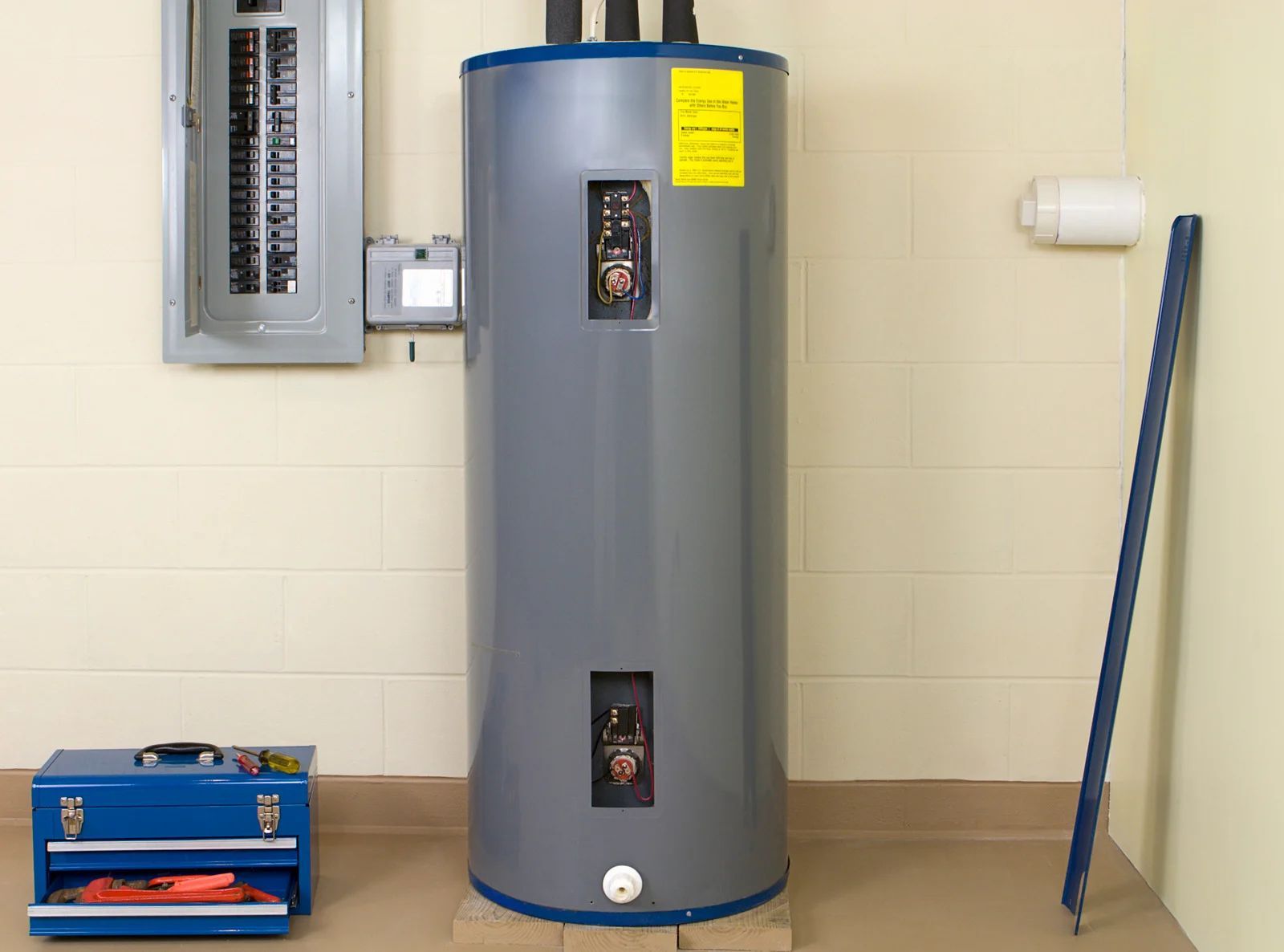
Even energy-efficient water heaters require periodic maintenance to preserve performance. Regular flushing to remove sediment, inspecting anode rods, and monitoring pressure relief valves are recommended. Following manufacturer guidelines prevents common issues, extends lifespan, and maintains energy savings. Integrating maintenance into household routines ensures that efficiency gains are sustained for years.
Real-World Impact and Case Studies
Residential Benefits
Homeowners report measurable savings after upgrading to high-efficiency water heaters. For example, a four-person household replacing a 10-year-old conventional tank with a hybrid heat pump model experienced a 30% reduction in energy bills within the first year. Beyond cost savings, users observed more reliable hot water supply and reduced noise from heating elements, enhancing daily comfort.
Commercial Applications
Businesses also benefit significantly from energy-efficient water heaters. Hotels, gyms, and restaurants with high-volume hot water needs can reduce operational costs while improving service reliability. In commercial settings, upgrading minimizes downtime caused by water heater failures and ensures consistent customer satisfaction. The long-term savings in energy and maintenance make upgrades a practical, profitable choice for business owners.
Industry Expert Perspective
Energy experts consistently recommend transitioning to modern water heating technologies as part of comprehensive home or commercial efficiency strategies. High-efficiency systems not only save money but also improve property value, support sustainability initiatives, and reduce exposure to potential energy price volatility. Industry research confirms that early adoption of advanced water heaters is both economically and environmentally advantageous.
Reliable Professionals Guiding Energy-Efficient Upgrades Effectively
Upgrading to a new energy-efficient water heater delivers multifaceted benefits, including reduced energy bills, consistent hot water supply, lower maintenance costs, and positive environmental impact. Modern systems provide advanced heating technologies, improved durability, and integration with smart home features, ensuring optimal performance and comfort. Evaluating household or commercial needs, choosing the right model, and adhering to professional installation and maintenance practices maximizes the advantages of this essential upgrade.
At Pipe Cleaners Plumbing, located in Carteret County, North Carolina, we bring 20
years of experience delivering reliable,
high-quality water heater solutions. Our expertise ensures every installation is tailored to meet energy efficiency goals while providing consistent hot water performance. Trust us to guide the upgrade process from selection to installation, offering professional advice, precise execution, and ongoing support. Upgrading with our team not only enhances home comfort and energy savings but also strengthens environmental responsibility. With our proven track record, dedication to quality, and local insight, every water heater project is handled with the utmost care and professionalism.